
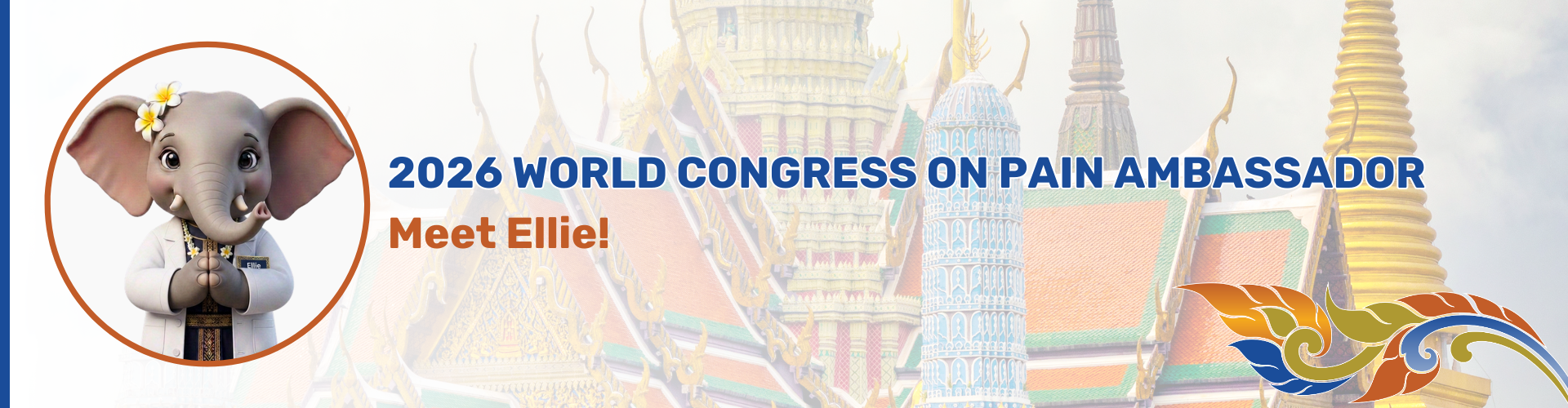


Meet Ellie, the IASP 2026 World Congress on Pain Ambassador
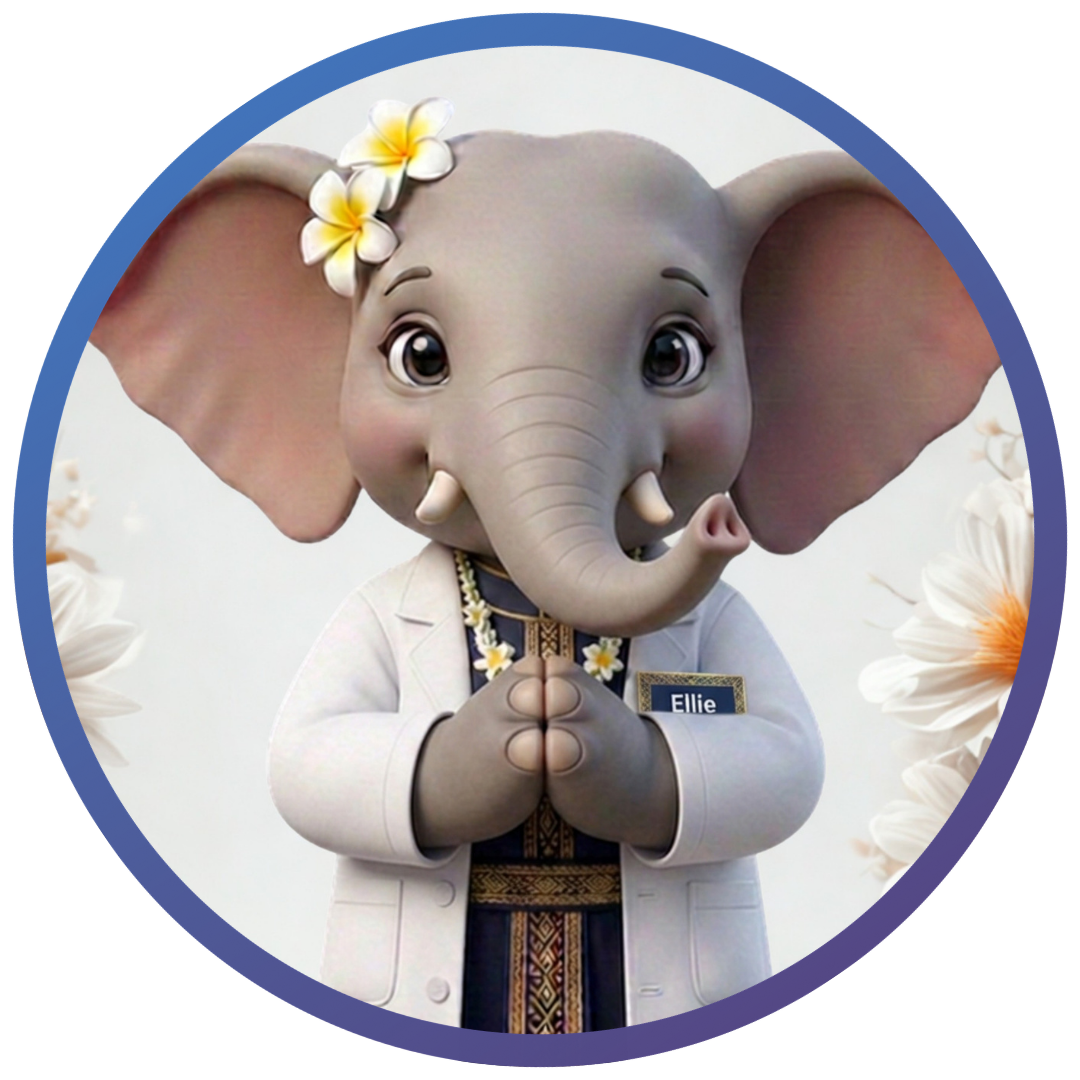
The IASP community has spoken: the 2026 World Congress on Pain Ambassador is a Thai elephant named Ellie.
Throughout the months leading up to the Congress, Ellie will share program highlights, registration reminders, travel tips, networking opportunities, and ways to make the most of the World Congress experience.
World Congress Ambassador
Ellie is here to help you make the most of the 2026 World Congress on Pain.
Over the months ahead and onsite in Bangkok, Ellie will share reminders, highlight important opportunities, and guide attendees through the Congress experience, including:
Registration reminders
Networking opportunities
Pre-congress events
Poster sessions and exhibition activities
Scientific Program highlights
Early career programming
Bangkok travel tips
Cultural features from Thailand
Ways to connect with colleagues before, during, and after the meeting
Think of Ellie as your friendly guide to the largest global gathering of pain professionals.
Bring Ellie Home from Bangkok
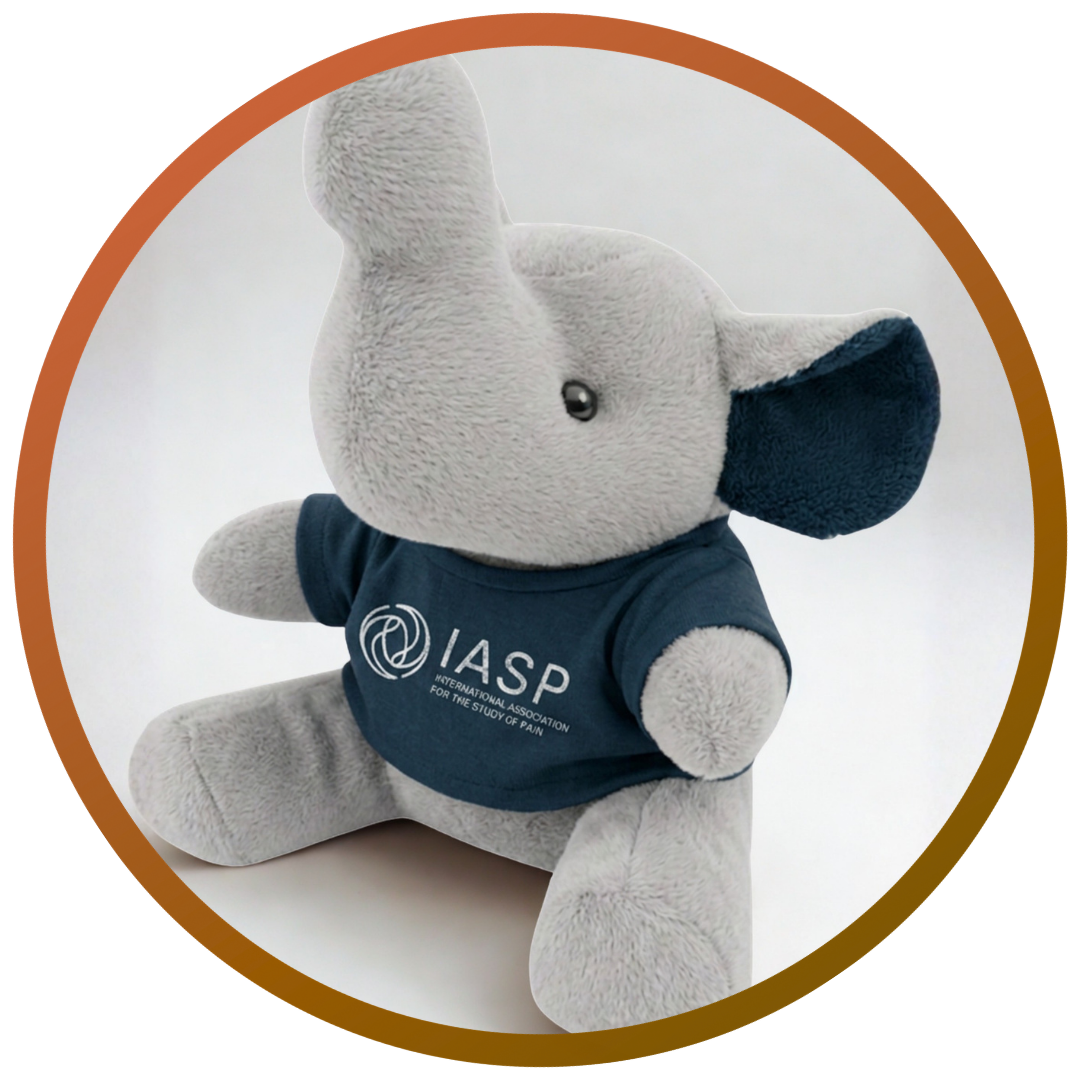
Attendees will be able to purchase a plush Ellie at the IASP Marketplace in the Exhibit Hall during the Congress.
Stop by the IASP booth to meet Ellie, pick up Congress merchandise, and take home a keepsake from Bangkok.
Whether she joins you at scientific sessions, networking events, poster discussions, or on your trip home, Ellie is a small reminder of the global pain community coming together in Thailand.
Why a Thai Elephant?
Elephants hold an important place in Thai culture and history. Often associated with wisdom, strength, good fortune, and national identity, elephants appear throughout Thai art, religion, folklore, and civic life.
As the World Congress comes to Southeast Asia, Ellie offers a warm connection to Thailand while helping attendees prepare for the largest global gathering of pain professionals.
Ellie’s Elephant Notes
An elephant’s trunk is a sensory powerhouse
A Thai elephant’s trunk is strong enough to lift heavy objects but sensitive enough to explore texture, shape, and movement with remarkable precision. This combination of strength and sensitivity makes the elephant trunk a fascinating example of how the nervous system helps animals interpret the world through touch.
Pain can be hard to see, even in a very large animal
In elephant care, changes in gait, foot health, posture, or activity can be important signs of pain or musculoskeletal problems. This is one reason careful observation matters in clinical care and pain assessment: pain is not always obvious, even when the animal is enormous.
Elephant whiskers help them sense the world
Recent research suggests that whiskers on an elephant’s trunk are specially structured to support tactile sensing, helping elephants detect contact and movement as they explore objects and their surroundings. For pain researchers and clinicians, it is a reminder that sensation can reveal surprising lessons about the nervous system.
Elephant care is a specialized tradition in Thailand
In Thailand, elephant care has been shaped by generations of mahouts, or elephant keepers. Their knowledge reflects close relationships among people, animals, landscapes, and local communities and remains an important part of Thailand’s cultural connection to elephants.